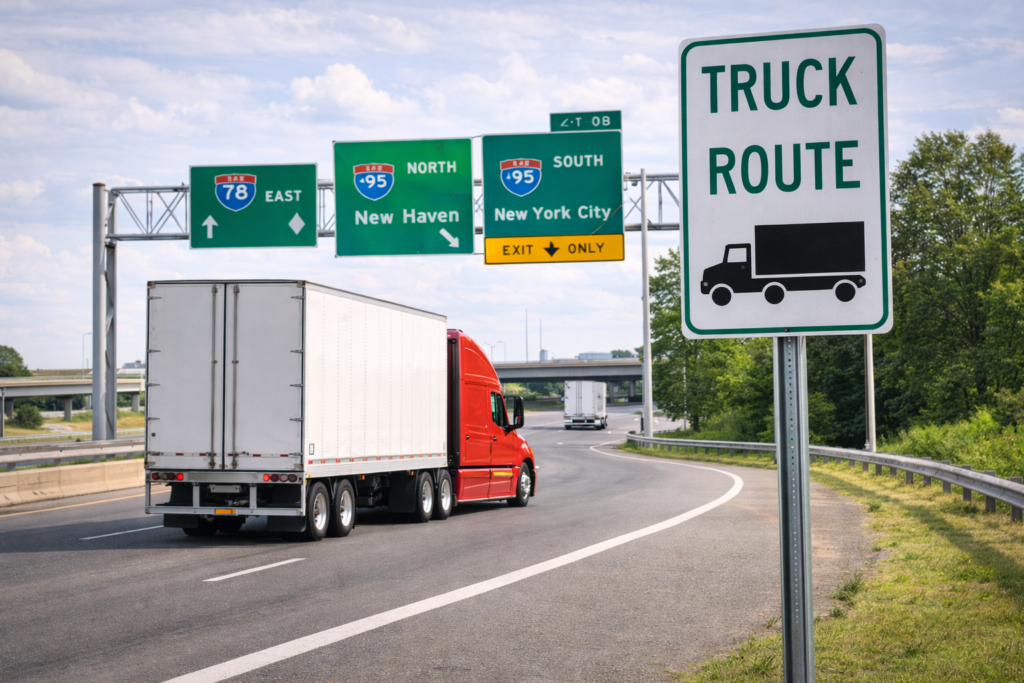
In trucking, route planning is not just about getting from point A to point B — it’s about protecting the week. Poorly planned routes create late deliveries, missed reloads, unnecessary deadhead, and hours of unpaid waiting that quietly drain income.
For owner-operators and small fleets, route decisions affect more than fuel and mileage. They shape appointment reliability, compliance with Hours of Service, and whether the next load is easy to secure or forces a long reposition. Effective route planning is one of the main differences between predictable weeks and constantly reacting to problems on the road.
Understanding Truck Route Planning Truck route planning involves the intricate process of determining the most efficient route for carriers and owner-operators to transport goods from point A to point B. Unlike the average driver’s simple navigation app use, truck route planning is far more complex.
When engaging in truck route planning, carriers and owner-operators must consider various factors beyond mere point-to-point distances. These factors include delivery schedules, vehicle dimensions, and road restrictions related to width and height, among others. Truckers also operate under unique regulations, such as driving hour limits, which necessitate meticulous planning. This not only enhances time efficiency but also ensures safety for all road users. This underscores the importance of having a comprehensive travel plan in place before turning the ignition key, incorporating features like google maps with truck routes and commercial vehicle route planner. This approach minimizes time spent on the road and maximizes the efficiency of load transportation.
Why Truck Route Planning Matters
At its core, truck route planning substantially bolsters efficiency and productivity for carriers and independent owner-operators, leading to increased overall revenue. Truck route planning directly addresses two significant expenses for carriers and owner-operators: fuel and maintenance costs. Notably, fuel expenses have soared, comprising a substantial 38% of an owner-operator’s overall expenses. Maintenance and repair costs, constituting 6% of total expenses, can be financially burdensome and unexpected.
Beyond cost savings, truck route planning offers numerous quality-of-life improvements. It enables avoidance of congested areas, reducing time spent in traffic and fuel consumption. Additionally, it facilitates compliance with FMCSA regulations, including mandatory breaks and driving hour limits.
Most profit losses tied to routing do not come from taking a “wrong road.” They come from routes that look efficient on a map but fail operationally — arriving too early or too late for appointments, running into weak reload areas, or compressing schedules with no margin for delays.
Practical Tips for Effective Truck Route Planning
- Thorough Preparation: Have directions, stops, and breaks planned well in advance. Minimize on-the-fly decision-making during travel by using tools like directions for truck routes and a commercial truck route directions app.
- Vehicle Inspection: Have trucks inspected before you leave to prevent unexpected problems and breakdowns on the road.
- Emergency Preparedness: Plan for emergencies by identifying repair shops and service stations along your route. Carry the necessary supplies and keep a checklist.
- Weather monitoring: be aware of weather conditions along your route to avoid delays, accidents and wear and tear on vehicles.
- Communication: maintain open communication with shippers or brokers to keep them informed of your delivery progress, whether it’s good or bad news. Utilizing a truck trip planning app and a trucker trip planning app can greatly assist in this aspect of truck trip planning, providing effective trucker trip planning.
In conclusion, careful planning of truck routes is a vital component of successful trucking operations. Not only does it improve efficiency and safety, but it also has a significant impact on profits. Plan your truck route with a reliable commercial truck routing app or software to simplify planning and maximize profits. This tool can provide you with accurate truck routes, ensuring the right direction of travel for commercial vehicles. Such investments are critical for both carriers and owner-operators.
How Dispatch Planning Supports Better Routes
Route planning in real trucking operations goes beyond navigation apps. It involves aligning delivery appointments, reload locations, Hours of Service, and lane positioning so the week stays intact.
Dispatch support helps owner-operators think through routes in context – not just where to drive, but when, why, and what comes next. This includes coordinating delivery timing with brokers, planning reloads before the truck empties, and avoiding routes that lead into weak outbound markets.
When routing decisions are made as part of weekly planning rather than on the fly, drivers reduce deadhead, limit unpaid waiting, and avoid schedule breakdowns that turn good loads into bad weeks.