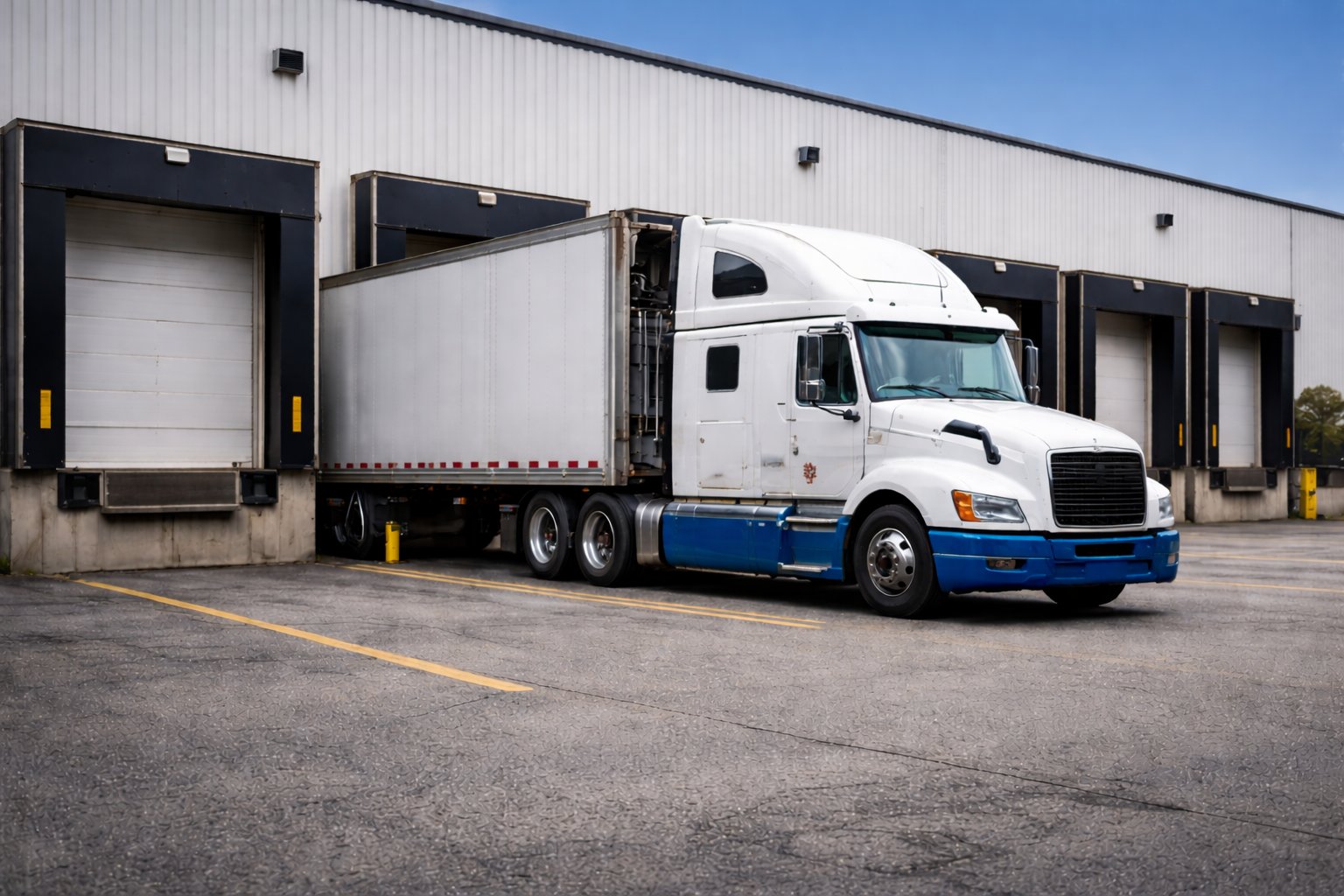
How to make money with dry van trucking isn’t just about driving. It’s about making smart choices. The trucking industry is constantly changing, and truck drivers and businesses must stay ahead to remain profitable.
Understanding current freight rates, planning routes, choosing higher-paying loads, and using the right tools can greatly increase one’s earning potential.
In 2026, dry van shipping challenges include changing rates, rising fuel costs, and increased competition. Thus, trucking businesses must work smarter. Whether hauling household goods, building materials, or non-perishable food, maximizing your income requires careful planning and the right partnerships.
Current Dry Van Freight Rates in 2026
In 2026, the dry van trucking sector will experience notable freight rate shifts, impacting owner-operators and shipping companies alike. Understanding these changes is essential for navigating the trucking sector effectively and maximizing one’s earning potential.
According to DAT Analytics, the national average dry van freight rate was $1.64 per mile in February and $1.66 per mile in March. This rate has declined since January, when it was $1.84 per mile. These rates determine how much money you can earn per mile you drive.
Dry vans can earn more on some popular routes. For example, the average rate is higher in certain areas than the national average, which can benefit owner-operators and trucking businesses.
Freight shipping rates can vary depending on where you are. In the Midwest, rates tend to be higher than the national average. Truckers and trucking companies should consider these differences to maximize their routes.
Factors Influencing Rates
Understanding what drives freight rates is key to maximizing profits in the dry van trucking business. Several factors determine the rates that owner-operators and trucking businesses can expect to earn.
Load-to-truck ratios. A higher number of loads compared to available trucks can push rates up.
Fuel costs. Fuel prices are constantly rising. Thus, truck drivers must pay more per mile than before, which impacts their earnings. However, strategies for enhancing fuel usage can help reduce these expenses.
Market demand. Certain high-demand lanes, such as those near major distribution centers, are seeing higher rates. Thus, dry van drivers can optimize their routes and make more money.
Implications for Drivers and Companies
These trends mean that truck drivers, owner-operators, and trucking companies should focus on high-demand routes and pay attention to dry van shipping needs. Optimizing fuel efficiency, monitoring regional variations, and understanding market factors can help increase earnings. By staying informed, drivers can maximize profits and adapt to changes in the trucking industry.
Ways to Increase Your Earnings
Making money with dry van trucking requires more than driving from point A to point B. If you want to maximize your earnings, you should focus on high-paying loads, reduce deadhead miles, improve fuel usage, and make smart business decisions.
Here are some of the best strategies to make more money in dry van shipping. Maximizing your income in dry van trucking takes strategy and planning. You can significantly boost your profits by choosing loads, cutting deadhead miles, optimizing fuel consumption, and diversifying your freight.
Working with a professional dispatching service like Logity Dispatch makes this process easier. With our support, you can focus on what matters most — keeping your truck moving and earning more money.
Load Selection Discipline
The difference between profitable dry van drivers and struggling ones is not mileage — it’s load selection discipline.
Not all freight deliveries offer the same rate. Some loads can offer better rates than others. Thus, choosing the right ones can impact your profits.
So, how can you find high-paying loads?
Focus on high-demand industries. Certain types of freight, such as hazardous materials, automobile parts, or expedited freight, consistently pay more. Shipments that must arrive quickly and require special handling usually offer higher compensation.
Haul heavier loads. Shipments with a higher weight capacity often pay better. However, you need to ensure your dry van truck can safely transport goods.
Obtain additional endorsements. Certifications for hazardous materials or cargo that requires special handling can open doors to higher-paying opportunities.
Finding the best load shipping opportunities takes time.
Reducing Deadhead Miles
Deadhead miles refer to the miles driven without carrying any cargo. This is one of the biggest profit killers in trucking. Every empty mile means wasted fuel costs and lost income. Deadhead is rarely a driver mistake — it’s usually a planning failure upstream.
To avoid deadhead miles, you can:
Plan return loads in advance. Instead of waiting until after delivery to find a return load, book it ahead of time. This ensures you’ll have load in both directions.
Choose busy freight lanes. Some regions always have a demand for dry van shipping, which makes it easier to find backhaul loads.
Work with a dedicated dispatcher. Having a professional monitor your loads and route availability means fewer wasted miles. We can be the right partner for you.
Fuel Efficiency Strategies
Fuel costs are constantly rising, so fuel efficiency is key to increasing profits. Even small steps can lead to thousands of dollars in annual savings.
Here are the best ways to improve your fuel efficiency on the road:
Drive at a steady speed. Sudden acceleration and braking burn more fuel. Cruise control can help maintain a fuel-efficient pace.
Keep tires properly inflated. Underinflated tires create more resistance, which in turn uses more fuel in your semi truck. Reducing the running of your engine while parked also burns unnecessary fuel. To save more fuel, turn off the truck when possible.
Use the right routes. High-traffic routes with frequent stops and starts increase fuel usage. Try to plan direct, smooth routes whenever possible.
Use fuel discount programs. Many trucking businesses offer fuel cards with discounts on diesel.
You can increase your earnings without hauling extra loads by keeping your fuel expenses low.
Diversifying Freight
Relying on just one type of shipments can be risky. If demand drops in one industry, your income can suffer. A smart driver keeps options open by hauling different types of cargo.
For example, you can ship freight such as:
Consumer goods, such as clothing, electronics, and household items, are always in demand. Non-perishable food, which doesn’t require temperature control, is also common in dry van shipping.
Building materials. Lumber, drywall, and flooring are often transported in dry van trailers.
Automobile parts. Tires, engines, and accessories can be profitable loads.
Dispatchers of Logity Dispatch look for diverse loads that match your needs and preferences. Our main aim is to provide you with the best opportunities and consistent work.
Utilizing Load Boards and Freight Matching Apps
Technologies have made it easier than ever for truck drivers to find load shipping opportunities. Load boards and freight-matching apps help drivers connect with brokers and shippers in real time.
For an effective load board use, you should check multiple sources instead of relying on just one. This allows you to compare rates across different boards to find the best one.
In addition, it’s important to respond quickly. High-paying loads disappear fast. Thus, you must act quickly to obtain a good offer.
Negotiation Tactics: How to Secure Better Rates
One of the most important skills in truck driving is knowing how to negotiate for higher compensation. If you accept low-paying loads, you’ll struggle to make good money.
How to negotiate for better rates:
Know the market rate. Research current shipping rates so you don’t settle for less than the trip’s worth.
Highlight your experience. If you have a clean driving record, emphasize it. Reliable drivers can demand higher pay.
Be willing to walk away. Sometimes, rejecting a low offer leads to better-paying opportunities.
Work with professionals. Having an expert negotiate on your behalf can lead to higher compensation.
Conclusion
Increasing earnings in dry van trucking isn’t about chasing every load — it’s about running a controlled operation where rates, lanes, and costs work together.
Logity Dispatch works with dry van owner-operators who want predictable earnings, reduced deadhead, and freight decisions aligned with real cost per mile — not spot-market noise.
When dispatch supports the strategy, income becomes more consistent instead of reactive.