The trucking industry often involves multiple truck driving challenges drivers and businesses may face. With rising fuel costs, increasing expenses, and complex regulations, it’s no surprise that many drivers struggle to thrive and expand their operations.
These obstacles can affect profitability, increase stress, and even threaten the long-term sustainability of a trucking career. However, the good news is that solutions exist to help face these challenges.
The Common Challenges Truck Drivers Face
Truck drivers face several challenges that impact their operations and finances. As part of the trucking industry, drivers are responsible for transporting valuable goods from origin to destination. They must be aware of their expenses, changing sector regulations, and attentive to customers’ requirements. In recent years, the trucking profession has seen increased pressure from the industry and factors that affect their ability to increase earnings, such as changing fuel prices, tolls, and delivery routes. These aspects present a constant risk to drivers and the companies they operate for, requiring them to focus on minimizing expenses and maximizing efficiency to stay profitable.
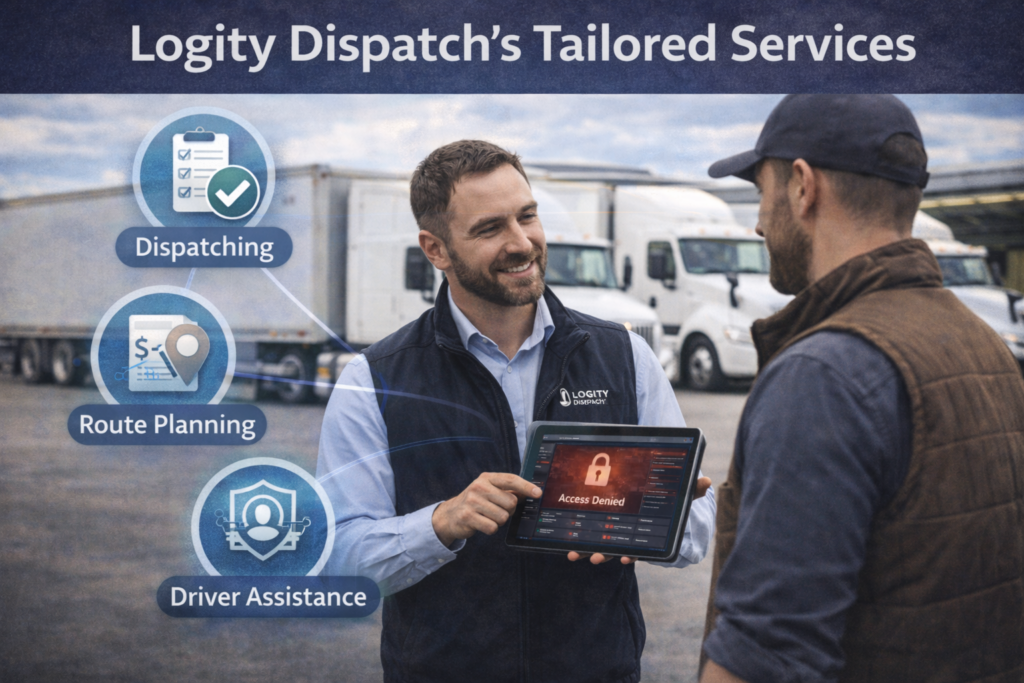
Logity Dispatch can help manage the common issues commercial drivers face. With our extensive experience, we offer dispatch services and strategies designed to increase your profit, ensure constant regulatory compliance, and simplify paperwork. We want to share some common challenges drivers face and how to deal with them.
Navigating Complex Regulations and Ensuring DOT Compliance
One of the main challenges of truck driving is navigating regulations set by the Department of Transportation (DOT). The trucking industry is subject to various rules, from driving hours to weight limits.
Trucking businesses must comply with DOT rules to ensure their operations are safe and avoid legal fines and penalties. However, navigating these requirements can be difficult and time-consuming, especially for drivers operating in several states.
Failure to comply with these regulations can result in fines, operational downtime, and damage to a business’s reputation, which are costly to fix. Thus, staying informed of regulatory changes while efficiently operating trucking operations requires a delicate balancing.
Compliance
It’s important to manage key regulatory compliance aspects, including reporting hours of service, equipment inspections, and maintaining updated licenses and permits. Thus, our services can reduce the risk of costly fines and legal penalties.
Finding and Securing High-Paying Freight Loads
Finding high-paying freight loads can be a real headache for truck drivers. As the trucking sector becomes more competitive, the freight market has shifted, with customers requiring faster delivery at lower prices. This makes drivers work harder to identify lucrative opportunities to maximize wages. In addition, it’s essential to find the correct load that aligns with a carrier’s business objectives and skills.
Freight brokers can simplify this process. Still, it’s crucial to find a reliable partner who can be trusted.
Dispatcher Services
Dispatches secure high-paying cargo loads by using technology and industry experience. Whether you’re an independent owner-operator or running a fleet, they can provide the most reliable freight opportunities to meet your preferences.
They also negotiate better rates for freight transportation, reducing the gap between operating expenses and wages. Offer solutions that allow truck drivers to focus on their driving while we handle the process of identifying top-tier loads, navigating routes, and maximizing their profit potential.
Dispatch services ensure that drivers don’t waste time with low-paying jobs. Drivers can save valuable time and resources while securing the freight loads that make the most sense for their business, profitability, and long-term success.
Managing High Operational Expenses
This is one of the ongoing challenges in the transportation industry. Financial management is crucial for long-term success. Expenses like fuel costs, maintenance fees, and truck expenses consume a significant portion of truck drivers’ and companies’ profits. With increasing fuel prices, tolls, and truck maintenance and repair needs, drivers and fleet managers should fund efficient ways to reduce overall spending while providing reliable transportation services.
Failure to manage expenses properly can lead to financial difficulties, limiting a trucker’s ability to thrive in a highly competitive and cost-sensitive market.
One of the critical factors helping to manage high expenses is efficient route planning. Truck drivers can easily increase their by optimizing routes. For example, it allows reduced fuel consumption, travel hours, and truck wear and tear. Finding the best routes that reduce costs that are unnecessary is essential for improving a driver’s bottom line and ensuring that every trip is as cost-effective as possible.
Given the volatility in market prices and increasing pressure on carriers and independent truck drivers, it is more important than ever to stay aware of opportunities to minimize operating expenses.
Cost Efficiency
Dispatch offers solutions to help carriers optimize their operational expenses. It uses advanced tools to analyze real-time data and define the most efficient and cost-effective route. With it, you can significantly reduce fuel consumption, cut travel hours, and lower overall operating expenses.
Professional dispatchers also help drivers with proactive scheduling to prevent delays and reduce empty miles. Truck drivers can also streamline paperwork and ensure swift billing and payment processes, avoiding extra time waiting for payments or facing administrative delays.
By reducing unnecessary expenses and maximizing operational efficiency, dispatch offers a robust opportunity for truck drivers to thrive in a competitive environment that demands productivity and financial responsibility.
Tackling Paperwork and Reporting
Managing paperwork can be overwhelming, especially amid the demands of trucking regulations. Changing requirements, fluctuating fuel prices, mileage tracking, and permit renewal often pose challenges to truck drivers and fleet managers. Maintaining compliance with DOT and other regulations requires attention to detail and meeting deadlines for certificates that need regular renewal. Otherwise, trucking companies can face penalties, fines, operations disruption, and even license suspension.
Trucking companies should comply with strict deadlines of different documents, such as the Federal Motor Carrier Safety Administration (FMCSA) or DOT regulations. In particular, the essential requirements of the trucking sector include:
Hours of Service (HOS) rules. They set working and driving times, define weekly limits, and require regular rest for truck drivers. HOS rules require truckers to log their driving and working hours and maintain these logs for at least six months.
Truck maintenance. Each vehicle must be inspected before and after each trip, and the results must be documented. Any issues must be addressed immediately. Truck drivers and fleet managers must keep these records for each truck of their fleet during all operations and at least a year and a half after it leaves service.
Driver qualification files. Companies must keep detailed records of all their drivers, including their commercial driver’s license (CDL), medical certifications, performance history, alcohol and drug test results, and special endorsements.
Solution for Documentation
Dispatch provides reliable management of trucking documentation. It aims to simplify your trucking operations by handling all your paperwork issues.
Dispatchers handle everything you need, from proof of insurance to rate confirmations. They also handle requirements set out in customer agreements, such as directions to the shipper and appointment scheduling.
With the reduced burden of paperwork, you can focus on driving and developing your operations and strengthening your presence on the market.
Technical and Moral Support for Truck Drivers
Sometimes, being a truck driver can seem overwhelming. Changing regulations, adverse weather conditions, tight delivery deadlines, and long hours on the road can make it challenging.
That’s why a reliable dispatcher and 24/7 support can make a huge difference. You can reach your dispatcher anytime with any obstacles, and get quick resolution.
Conclusion
Operating in the complex and fast-changing trucking industry, businesses may face a set of challenges, from rising fuel expenses to the regulatory landscape.
Most trucking challenges aren’t caused by lack of effort — they’re caused by lack of structure. When dispatch, compliance, load planning, and paperwork are handled intentionally, drivers regain control of their time, costs, and long-term stability.
Logity Dispatch works with drivers who want fewer surprises and more operational control.