Table of Content
- Key Takeaways
- Why California Requires More Awareness on the Road
- What Drivers See on California Lanes in 2026
- Regulations That Shape California Runs in 2026
- Where California Freight Moves – and Where It Slows Down
- How Good Dispatch Planning Reduces Empty Miles
- What Drivers Tell Us Matters Most
- Why Many Drivers Choose Logity Dispatch for California Runs
- Getting Started
- FAQ: California Truck Dispatching in 2026
Ask any driver who runs California regularly, and you’ll hear a similar story:
“The miles are here. The freight is here. The challenge is everything in between.”
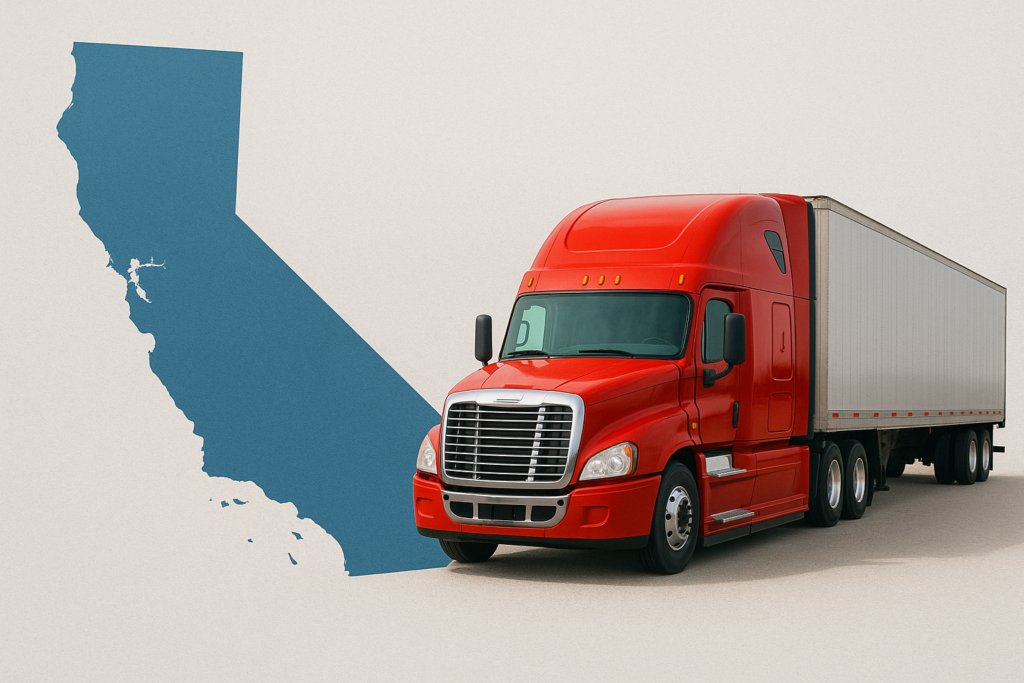
For many owner-operators, choosing the right California truck dispatch service becomes the difference between running steady, profitable miles – or fighting through congestion, strict emissions rules, shifting port cycles, and uneven freight density. California offers strong opportunities, but it also demands more planning than most states.
In 2025, understanding California’s lanes, timing, and regulations isn’t optional – it’s the foundation of a profitable run. A dispatch partner who knows the terrain can help drivers avoid unnecessary setbacks and stay focused on running consistent, revenue-producing miles.fv
Key Takeaways
- California has strong freight demand, but success depends on planning around timing, traffic, and regulations.
- Typical lane rates around $2.20-$3.00+ per mile, depending on region and season.
- CARB emissions requirements, TRU rules, and port-entry standards are actively enforced this year.
- Congestion on I-5, I-10, I-880, and around the LA and Bay Area ports can significantly affect HOS.
- Smart dispatch planning helps drivers cut deadhead, avoid low-density freight zones, and build more predictable weeks.
Why California Requires More Awareness on the Road
Drivers who run California often point to the same reality: the freight is steady, but the margins for error are small. A familiar route can change without warning – a slowdown on I-5 near Santa Clarita, a sudden backup on the 710 approaching the ports, or a shift in appointment windows that reshapes the rest of the day.
It’s a state where timing matters. Where the hour you leave can be just as important as the lane you choose. And where a good dispatch plan often prevents problems long before the driver ever encounters them.
For many operators, this is what makes California feel different. The freight is good, but only when the details work in your favor.
What Drivers See on California Lanes in 2026
California continues to move a significant share of the country’s agricultural, retail, and intermodal freight. Rates fluctuate, but drivers running consistently in the region report typical patterns such as:
| Lane | Typical 2026 RPM Range | What Drivers Expect |
| Los Angeles → Phoenix | $2.30-$2.90/mi | Stable demand and predictable reloads |
| Fresno → Reno | $2.40-$3.10/mi | Strong mix of produce and retail freight |
| Bay Area → SoCal | $2.00-$2.60/mi | Reliable freight with congestion variables |
| Ports → Inland Empire (local) | $75-$120/hr | Good hourly rates, strict timing cycles |
| California → Texas | $1.80-$2.40/mi | Long-haul opportunities with balanced freight |
Drivers consistently note that California can be profitable, but only when outbound opportunities are timed correctly – and when the route avoids pockets with weak reload potential.
Regulations That Shape California Runs in 2026
California’s regulatory landscape affects more than compliance paperwork – it shapes which loads drivers can take, where they can legally operate, and how their day unfolds. Partnering with a California truck dispatch service ensures these issues are addressed before problems arise, helping drivers keep their hours and avoid unnecessary surprises.
CARB Emissions Standards
The California Air Resources Board (CARB) enforces strict emissions requirements tied to engine model years and equipment type.
For drivers, these rules influence access to major ports and distribution centers, determine eligibility for reefer and TRU-equipped freight, and limit entry into regions with tighter emissions controls. A driver who arrives at a port gate with a non-compliant engine may be turned away, even if the appointment time is approaching. That setback often leads to lost hours, missed reloads, or extended waits while dispatch searches for an alternative plan. When dispatch verifies equipment eligibility ahead of time, drivers avoid these last-minute surprises.
Hours-of-Service Under Heavy Congestion
Hours-of-Service rules play an even larger role in California because congestion and port timing can easily alter a driver’s entire day.
Heavy traffic plays a larger role in California than almost anywhere else in the country. Congestion patterns are so consistent that many drivers can predict where delays will begin – and roughly how long they will last.
It’s common, for example, to lose 45 minutes near Santa Clarita on a weekday afternoon or close to an hour on I-880 during peak Bay Area traffic. During the Central Valley harvest season, midday slowdowns on I-5 can push the entire schedule back by more than expected.
When dispatchers plan around these conditions, drivers are less likely to run into HOS pressure or find themselves stacked with unrealistic appointment windows. Small adjustments – such as shifting a departure time or selecting a different routing window – can preserve a driver’s hours and reduce stress over the course of the day.
Where California Freight Moves – and Where It Slows Down
Drivers who run the state regularly build their own mental maps of where freight tends to move and where it tends to disappear. While every week is different, certain patterns show up across the industry.
Much of California’s strongest freight flows along familiar corridors. The I-5 Central Valley spine remains one of the state’s most reliable lanes, driven by agriculture, retail distribution, and reefer demand. The Fresno–Bakersfield–Salinas agricultural triangle produces steady seasonal volume, and the Inland Empire continues to function as the heartbeat of Southern California’s warehouse network. Northern California carriers often find consistent opportunities on the Reno/Sparks industrial route, which links distribution centers to West Coast markets.
Other areas require more caution. Rural deliveries along the Central Coast can take drivers far from reloads, and certain remote southern routes offer limited options once the delivery is complete. The Bay Area, with its city restrictions and dense commuter traffic, can also make timing unpredictable – especially during peak hours when short distances turn into long waits.
For most drivers, the difference between a profitable week and a frustrating one is simply where they land when the load is done. Ending the day in a region with strong reload density gives drivers options; ending it in a quiet pocket means more deadhead, more time lost, and fewer choices. Dispatchers who know these patterns help drivers stay positioned in the right places, at the right times.
How Good Dispatch Planning Reduces Empty Miles
Drivers who operate regularly in California often mention the same pattern: empty miles rarely come from one major detour – they accumulate slowly throughout the week. A 40-mile drive to reach a pickup, a 60-mile return from a rural delivery, a short reposition when freight thins out on the boards, or an unexpected hour of idle time after a pickup window shifts. None of these moments feel significant on their own, but by Friday they often add up to 150–220 miles that were never intended to be part of the week.
With California’s fuel prices – which have hovered around $5.70-$6.10 per gallon for diesel in recent months – those extra miles carry more weight than many drivers expect. A week with 180 empty miles can easily burn 20-25 gallons, meaning $115-$150 in fuel spent on miles that never produced a dollar of revenue.
Dispatch planning helps reduce these gaps before they form. When inbound freight is paired with realistic outbound options, drivers are less likely to find themselves navigating low-density areas without a clear reload. Understanding when and where freight volume typically drops over the course of the day allows dispatchers to adjust appointment times and limit evening repositioning. Small decisions – sometimes as simple as shifting a delivery window or pairing a load differently – can prevent long stretches of unpaid miles. For a driver leaving Victorville or making a run out of Salinas, avoiding even a single 70-mile reposition can meaningfully improve the week’s bottom line.
What Drivers Tell Us Matters Most
Drivers who speak with our team often say the same thing: they’re not chasing perfection – they just want a week with fewer surprises. They want a clearer sense of how long a lane truly takes in California traffic, how congestion usually behaves at certain hours, and whether their equipment is eligible for the load before the appointment time is locked in. They also want a realistic idea of where reloads typically sit and whether a port delay is likely to be a brief slowdown or the kind of setback that reshapes the rest of the day.
Having this information upfront helps drivers plan their hours and pace their day. In many cases, a dispatcher checking in before a delay becomes serious is enough to keep everything on track. Predictability doesn’t remove California’s challenges – but it makes the day more manageable, and drivers say that difference adds up over time.
Why Many Drivers Choose Logity Dispatch for California Runs
At Logity Dispatch, we emphasize clarity, fairness, and steady communication. Those values matter everywhere, but they matter twice as much in a state as complex as California, where choosing a reliable California truck dispatch service can shape the entire week’s outcomes.
Our dispatchers confirm CARB eligibility before loads are booked, plan routes around real-time congestion patterns, and pair inbound freight with realistic outbound options to help reduce deadhead. We also adjust timing for port and warehouse arrivals when conditions shift and stay in close contact with drivers when schedules tighten.
The goal isn’t just to find loads – it’s to help drivers maintain steadier freight, steadier earnings, and steadier weeks. California can be unpredictable, but with the right support, drivers don’t have to navigate that unpredictability alone.
Getting Started
If you run California lanes regularly or plan to expand into the region, having the right support behind you can make a meaningful difference. With a clear plan, predictable timing, and a team that understands the state’s patterns, drivers can focus on driving – and leave the rest to us.
FAQ: California Truck Dispatching in 2026
What makes dispatching in California more challenging than other states?
California combines high freight density with strict environmental regulations, heavy congestion, and time-sensitive port operations. These factors make planning more important here than in many other regions. Drivers often need support with timing, routing, and regulatory checks to keep their day moving – which is why many rely on experienced teams that specialize in dispatch in California.
Are California loads still profitable in 2026?
Yes – California offers consistent demand, especially on the I-5 corridor, the Inland Empire, and agricultural lanes. Most drivers report rates between $2.20-$3.00+ per mile, depending on season and equipment. Profitability often depends on how well reloads are planned to avoid long repositioning miles which is where a strong California dispatch team adds value.
How do CARB rules affect the loads I can take?
CARB emissions standards determine which trucks can access ports, certain warehouses, and designated emissions zones. If a truck isn’t compliant, drivers may be turned away at the gate. Dispatchers who verify CARB eligibility before booking a load can prevent costly delays and missed appointments.
How much do California traffic delays affect Hours-of-Service?
Congestion can significantly impact HOS. Drivers commonly lose 45–60 minutes on I-5, I-880, and around Los Angeles ports during peak periods. Planning departure times and appointment windows around these known patterns helps protect a driver’s hours and reduces stress.
How can dispatch help reduce empty miles in California?
A dispatch team familiar with California lanes pairs inbound loads with realistic outbound options and avoids areas where freight thins out early. This reduces unnecessary repositioning – a major factor in lost fuel and revenue, especially with state diesel prices often above $5.70 per gallon.
Is a dispatch service worth it for small carriers or single owner-operators?
For many small carriers, yes. California’s combination of traffic, regulations, and timing pressure makes dispatch support valuable. A good dispatch team helps drivers stay compliant, avoid deadhead, and maintain steadier weekly earnings without having to manage load boards alone – especially when using a service experienced in dispatch in California.