Table of Content
- Why Chasing New Brokers Can Hurt Owner-Operators
- Why Brokers Prefer Familiar Carriers
- Industry Data: The Cost of Empty Miles
- Broker Switching vs Broker Relationships
- Load securement keeps you safe.
- Good planning keeps your truck moving.
- Why Freight Moves Through Relationship Networks
- The Hidden Cost of Constant Broker Prospecting
- Why Dispatch Planning Reduces Broker Chasing
- What Consistent Owner-Operators Do Differently
- Why Stable Freight Comes From Positioning
- Final Thoughts
- Frequently Asked Questions
- Are load boards enough to stay consistently loaded?

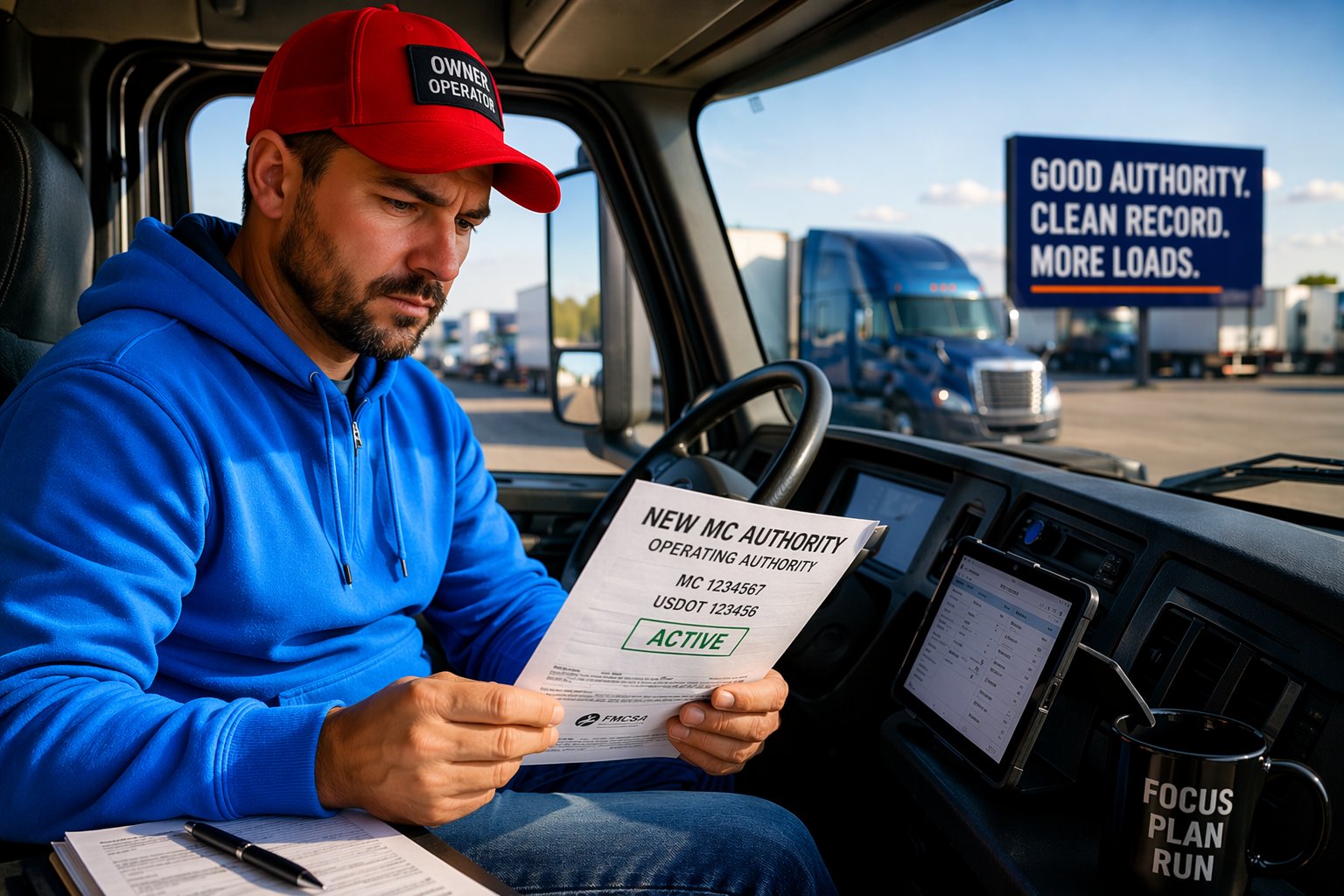
Many owner-operators believe that working with as many freight brokers as possible will help them find better loads.
At first glance, this strategy seems logical. New brokers may offer access to unfamiliar lanes, different freight networks, or potentially higher-paying shipments.
However, constantly chasing new broker relationships often produces the opposite result: less stable freight, longer downtime between loads, and unpredictable weekly revenue.
The most consistently loaded owner-operators rarely operate this way. Instead, they build operations around broker familiarity, repeat lanes, and structured freight planning.
Understanding why this difference matters can help drivers reduce downtime and build more stable weekly income.
Why Chasing New Brokers Can Hurt Owner-Operators
Constantly contacting new freight brokers might appear to expand opportunities, but it usually introduces operational friction.
Owner-operators who rely heavily on new brokers often experience:
- slower load confirmations
- weaker negotiating position
- increased competition with other carriers
- more time spent searching for freight
By contrast, carriers who develop repeat relationships with brokers often secure freight faster because those brokers already trust their reliability.
Over time, this trust can dramatically reduce the time spent searching for loads.
Why Brokers Prefer Familiar Carriers
Freight brokerage is built heavily on trust and reliability.
Brokers manage dozens or hundreds of shipments every week. When they find carriers who communicate clearly, arrive on time, and deliver freight without issues, they tend to remember them.
This familiarity creates an internal preference.
Instead of posting every load publicly, brokers often contact trusted carriers first to see if they are available.
Drivers who constantly move between new brokers rarely benefit from this dynamic. Each load becomes a new negotiation with a broker who has no previous experience with that carrier.
As a result, the driver often competes with many other trucks for the same shipment.
Industry Data: The Cost of Empty Miles
One of the largest hidden costs in trucking is the time and distance a truck travels without freight.
According to the American Transportation Research Institute (ATRI), empty miles remain a major operational challenge across the trucking industry.
Research shows that:
- long-haul trucking operations average 15-20% empty miles
- smaller carriers and owner-operators often experience even higher empty mileage ratios
- poor reload planning is one of the most common causes of downtime; these downtime gaps are one of the biggest hidden costs in trucking, which explains why many owner-operators lose money between loads even when their individual load rates appear profitable.
When drivers finish loads without a reliable reload relationship or broker familiarity, they often spend hours – or sometimes days – searching for the next shipment.
Reducing empty miles through lane consistency and broker relationships is one of the most effective ways to stabilize revenue.
Source: ATRI Operational Costs of Trucking Report
Broker Switching vs Broker Relationships
| Operational Factor | Constantly Switching Brokers | Working With Repeat Brokers |
| Load confirmation speed | Slower | Faster |
| Negotiation power | Limited | Stronger |
| Broker trust | Low | Higher |
| Access to early freight | Rare | More common |
| Reload timing | Unpredictable | More consistent |
| Weekly income stability | Lower | Higher |
This comparison highlights why many experienced owner-operators eventually reduce the number of brokers they work with and focus instead on building repeat relationships in strong freight markets.

Why Freight Moves Through Relationship Networks
Freight in the United States is heavily concentrated around major logistics hubs.
Cities such as Chicago, Dallas–Fort Worth, Atlanta, Columbus, and Memphis generate enormous freight volumes due to their distribution infrastructure and highway connectivity.
These freight flows are rarely random.
Instead, they move through networks of brokers and carriers who frequently handle the same lanes. Carriers who regularly operate within these logistics corridors often build repeat relationships with brokers who move freight in those markets.
This familiarity helps drivers secure reloads faster and reduces time spent searching for freight.
The Hidden Cost of Constant Broker Prospecting
Constantly contacting new brokers forces drivers to restart the relationship cycle every week.
Each new broker interaction requires:
- introducing the carrier authority
- negotiating rates from scratch
- verifying load details
- establishing credibility
This repetition consumes time that could otherwise be spent planning the next load or positioning the truck in a stronger freight market.
Many drivers eventually realize that trucking success depends less on finding one “good load” and more on protecting the entire week of freight movement. This type of planning is difficult to maintain while driving full time, which is why many experienced operators rely on truck dispatch services to coordinate lanes, reload timing, and broker communication.
Why Dispatch Planning Reduces Broker Chasing
One of the key reasons experienced owner-operators work with fewer brokers is that their operations follow a structured planning model.
Instead of searching for freight only after a delivery is completed, the next shipment is often considered earlier based on known freight lanes and broker relationships.
This approach reduces the need to constantly search for new contacts.
Dispatch planning focuses on protecting the space between loads, which is where many operators lose the most revenue.
As explained in Reload Timing Is the Real Skill Behind Consistent Income, the ability to position a truck for the next reload often determines whether a week becomes profitable or frustrating.
What Consistent Owner-Operators Do Differently
| Operational Habit | Struggling Operators | Consistent Operators |
| Broker strategy | Contact new brokers weekly | Maintain repeat broker relationships |
| Lane strategy | Random freight markets | Predictable logistics corridors |
| Load planning | Search after delivery | Plan reloads earlier |
| Dispatch approach | Reactive | Structured |
| Weekly revenue pattern | Unstable | More predictable |
These differences explain why some drivers stay booked week after week while others spend hours searching for freight.
Over time, experienced owner-operators discover that successful trucking operations depend more on structured planning than on chasing individual loads, which is explained in detail in how weekly planning beats “good load” thinking every time.
Why Stable Freight Comes From Positioning
Consistent trucking operations rarely depend on constant expansion.
Instead, they focus on positioning the truck in markets with predictable freight demand and maintaining reliable broker relationships within those markets.
Over time, this creates freight cycles where loads naturally follow one another.
Drivers who operate inside these cycles often spend far less time searching for freight.
Final Thoughts
The hidden risk of chasing new brokers every week is not always obvious at first.
While it may seem like a way to expand opportunities, it often prevents the development of the relationships that create the most reliable freight access.
Owner-operators who stay consistently booked rarely rely on constant broker prospecting.
Instead, they focus on repeat lanes, trusted broker relationships, and structured dispatch planning.
In trucking, stable revenue usually comes not from constant searching but from predictable freight positioning.
Frequently Asked Questions
Do owner-operators need multiple brokers?
Yes, but most experienced carriers work consistently with a smaller group of brokers who regularly move freight in their preferred lanes.
Why do some owner-operators stay booked more consistently?
Drivers who maintain repeat broker relationships and operate within strong freight corridors often secure reloads faster than those constantly searching new markets.
Are load boards enough to stay consistently loaded?
Are load boards enough to stay consistently loaded?
Load boards are useful tools, but many shipments are offered first to trusted carriers before being posted publicly.
Many owner-operators eventually realize that trucking success depends less on finding one “good load” and more on protecting the entire week of freight movement, which is why experienced drivers often rely on truck dispatch services to coordinate reload timing, broker communication, and freight lane positioning.
Logity Dispatch helps owner-operators maintain stable freight lanes, protect reload timing, and keep trucks moving consistently.
Learn how Logity Dispatch supports disciplined trucking operations