Table of Content
- Why This Matters More Now
- Detention: The Dock Clock That Keeps Running
- Layover: When a One-Day Job Turns Into Two
- TONU: Compensation for Work That Never Moves
- Where These Terms Actually Live
- The Documentation Reality
- The Broker Conversation
- Where Dispatch Support Changes Outcomes
- The Larger Profit Equation
- Protect the Week, Not Just the Load
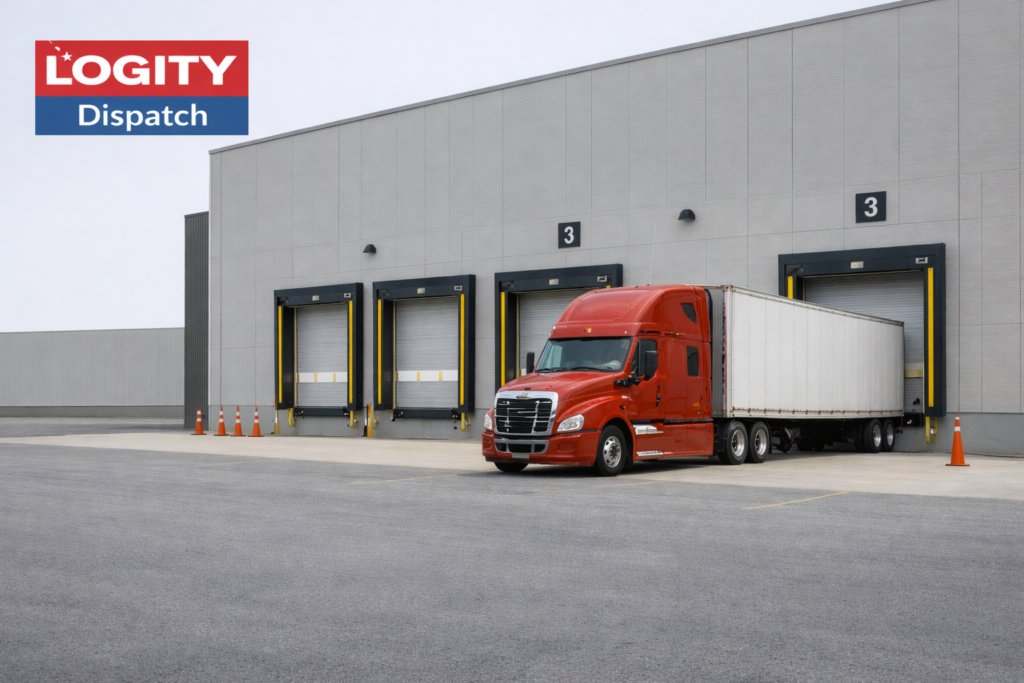
Most owner-operators don’t lose profit because of bad rates. They lose profit because of unpaid time.
A load can look acceptable on paper. The miles make sense, the gross doesn’t look insulting, and the lane seems workable. Then the clock starts stealing the week. You arrive at the shipper and wait. An hour turns into three. Delivery shifts to tomorrow. A broker cancels after you’ve already repositioned. None of this shows up in the advertised rate, yet all of it shapes your real income.
In trucking, time is revenue. Three small terms decide whether that time is paid or burned: detention, layover, and TONU – truck ordered, not used. Many drivers skim past these lines in the rate confirmation or assume they are automatic. They are not. They are contractual, and when they are unclear or missing, the default outcome is usually zero compensation.
Why This Matters More Now
Freight demand has normalized compared to the volatility of the early 2020s, but dock congestion and appointment stacking never truly disappeared. In high-volume corridors, multi-hour waits remain common. One unpaid three-hour delay each week does not look dramatic in isolation. Across a year, it quietly becomes the equivalent of several full working weeks lost to sitting rather than moving.
What makes this problem deceptive is that it rarely feels like a single bad decision. It feels like routine friction. A missed window here, a slow warehouse there, a “come back tomorrow” message that seems temporary but breaks the schedule. Individually, these events look manageable. Aggregated, they become structural profit erosion – the kind that doesn’t appear in your CPM but shows up in your bank balance.
Detention: The Dock Clock That Keeps Running
Detention is compensation for excessive waiting time at pickup or delivery after a predefined free window expires. The concept sounds simple, yet the execution is anything but automatic. The amount, the start time, and the billing increments are all determined by what is written in the agreement. If the number is vague or absent, the promise of detention often dissolves into negotiation after the fact.
Where drivers lose money is not usually a lack of availability but a lack of precision. A line that reads “detention available” without a dollar figure creates ambiguity. Ambiguity benefits the party holding the invoice. Another frequent gap is documentation. Without recorded arrival and departure times, even a clearly written detention clause can become difficult to enforce.
Layover: When a One-Day Job Turns Into Two
Layover compensation applies when a shipment forces an overnight stop because the schedule breaks. Unlike detention, which accumulates by the hour, layover is tied to the calendar. A delivery pushed into the next day transforms the economics of the load. Fuel, parking, and lost reload opportunities compound the effect.
Layover is less frequent than detention, but its financial weight is heavier when it happens. One unpaid overnight delay can neutralize the profit of several short hauls. The challenge is that layover language often appears as conditional rather than guaranteed. Phrases like “upon request” or “subject to approval” shift the burden from entitlement to persuasion.
TONU: Compensation for Work That Never Moves
TONU, or truck ordered not used, is designed to protect carriers when a shipment is canceled after commitment or arrival. It acknowledges the reality that positioning miles and reserved time carry value even when freight does not move. In practice, TONU is the clause most frequently overlooked until it is urgently needed.
The financial impact of a cancellation is not limited to the immediate loss. It disrupts the reload plan, shifts the weekly rhythm, and introduces deadhead that may not be recoverable. When TONU terms are undefined or discretionary, the carrier absorbs risks that were never visible in the original rate.
Where These Terms Actually Live
Compensation clauses tend to hide in the lower sections of rate confirmations, surrounded by legal phrasing and small print. The language may appear technical, but its meaning is practical. Words such as “approved,” “subject to,” or “upon request” are signals that payment is negotiable rather than guaranteed. The difference between a fixed dollar amount and an open-ended statement often determines whether a delay becomes revenue or a write-off.
This is why reviewing a rate confirmation checklist before accepting a load is not administrative overhead – it is income protection. Small wording differences change real outcomes.
The Documentation Reality
In disputes over detention or cancellations, memory carries little weight. Timestamps do. Arrival records, dock-in confirmations, and departure notes create a factual trail that transforms a request into a claim. Without them, compensation discussions drift into interpretation. With them, they move toward resolution.
This is where many independent operators feel the friction most acutely. The act of tracking time competes with the act of driving. The more fragmented the day becomes, the easier it is for a small administrative lapse to erase a legitimate payment.
If tracking timestamps, emailing brokers, and following up on invoices starts eating into your driving hours, many owner-operators choose to delegate this part of the process to a dispatcher so they can stay focused on miles instead of messages.
The Broker Conversation
There is a persistent belief that asking for detention or TONU damages relationships. In professional freight markets, the opposite is often true. Clear, calm, and documented requests are part of normal operations. The tone of the conversation shapes the outcome more than the existence of the request itself. Precision preserves partnerships; vagueness strains them.
For drivers who prefer not to handle these negotiations personally, working with dispatch support often means broker communication and documentation happen in parallel with driving rather than instead of it. The result is not just fewer awkward calls – it is consistency.
Where Dispatch Support Changes Outcomes
Independent operators can and do negotiate successfully on their own. Yet the advantage of dedicated dispatch support lies in consistency rather than capability. A dispatcher monitors clocks while the driver focuses on movement. Patterns emerge over time: which facilities delay, which brokers respond quickly, which lanes require tighter language before acceptance. The outcome is not only better rates but recovered compensation that might otherwise slip through unnoticed.
This is the same principle behind avoiding small profit leaks across a week. Capturing an extra hour here or a canceled load there rarely feels dramatic in the moment, but it compounds over months.
The Larger Profit Equation
Trucking profitability is rarely destroyed by one catastrophic choice. It erodes through accumulation. A few unpaid hours this week, a canceled load next month, an overnight sit that seemed unavoidable at the time. Each instance appears small. Together, they form a steady drain that is difficult to trace because it never appears as a single line item.
Understanding detention, layover, and TONU is less about mastering terminology and more about recognizing where revenue hides. The drivers who treat these clauses as structural elements of every agreement tend to stabilize their weekly results. Those who treat them as optional fine print often work harder for the same gross.
Protect the Week, Not Just the Load
Detention, layovers, and TONU are not rare exceptions – they are built into modern freight operations. Some owner-operators manage every negotiation and timestamp themselves. Others choose to work with dispatch support so documentation, broker communication, and compensation follow-ups stay consistent while they focus on driving and reload strategy.
If you’re already reviewing rate confirmations and watching for hidden time traps, the next step is simply deciding how much of that process you want to carry alone – and how much support keeps your week moving smoothly.
Protect Your Time, Not Just Your Rate
Detention, layovers, and TONU aren’t rare events – they’re part of modern freight.
Some owner-operators manage this independently. Others work with dispatch support to keep documentation and negotiations consistent while they focus on driving.