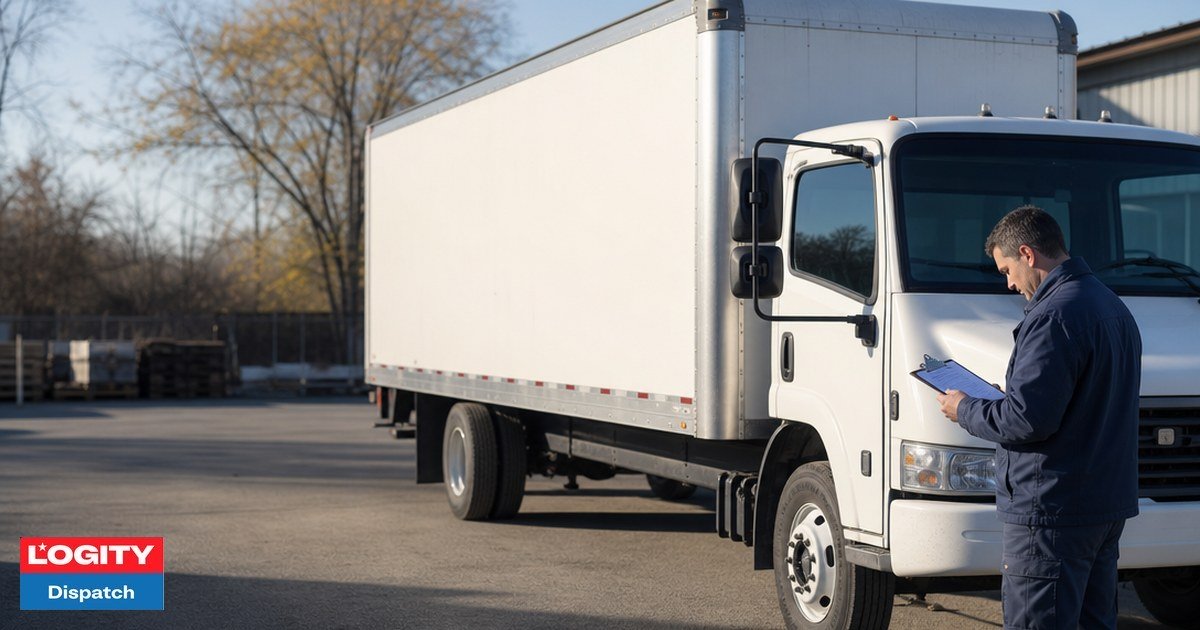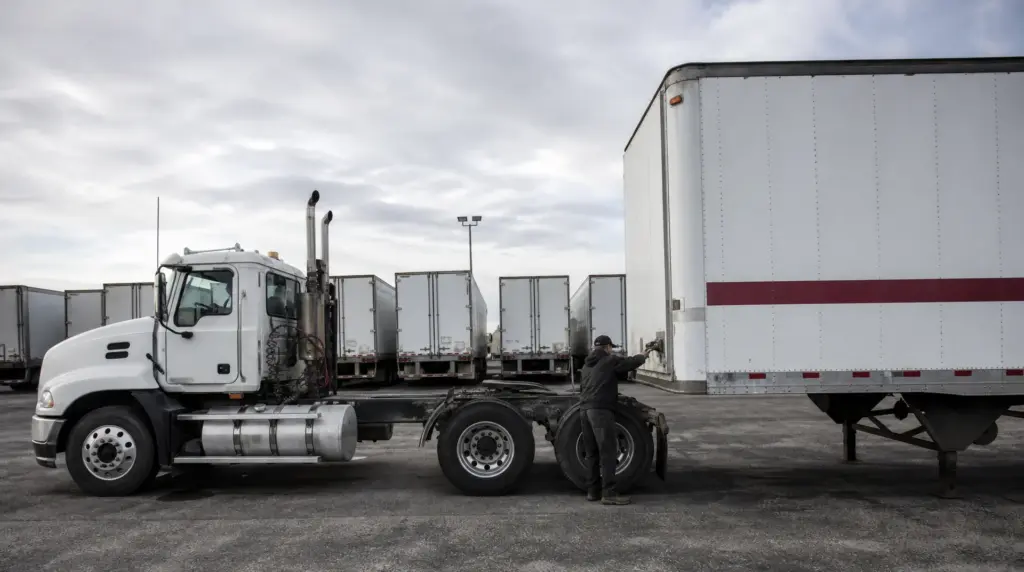
Power-only sounds like the cleanest money in trucking. No trailer to buy, no trailer to maintain, no empty box deadheading home. You bring the tractor, someone else owns the freight box, and you get paid to pull it. On paper it’s pure margin. In practice, the margin lives or dies in the miles between trailers, and that’s the part nobody quotes you on.
Power-Only Looks Like Pure Margin. The Bobtail Says Otherwise.
Here’s the part the rate hides. You get paid for the loaded trailer. You don’t get paid to drive over and get it. You don’t get paid to drop it and bobtail to the next one. Every hookup has a dead leg in front of it.
On a dedicated drop-and-hook lane, those dead legs are short and the math works. On scattered one-off power-only loads, you can burn 60 deadhead miles to reach a trailer that pays for 200 loaded. That’s not a good load. That’s a 30% haircut you agreed to before you rolled.
What Power-Only Actually Pays You For
You’re renting out the tractor and the driver, not the equipment. That changes what a good rate looks like.
Your cost per mile barely moves whether the box is yours or theirs. Fuel, the driver, the tractor payment, insurance, all still run. So a power-only rate has to clear the same per-mile floor as any other load, plus cover the bobtail leg the broker didn’t price. If it only looks good because you “saved” a trailer you weren’t paying for on this load anyway, the savings are imaginary.
Where the Loaded-Mile Math Breaks
It breaks in the gap between drop and hook. A power-only week can show plenty of loaded miles and still come up short, because the unpaid miles stacked up where you weren’t looking.
- Long bobtail legs to reach the next available trailer.
- Trailers that aren’t ready when you arrive, so the clock runs for free.
- Drop yards far off your lane, pulling you out of position for the reload.
- Repositioning at your own cost after a one-way load ends cold.
None of that shows on the rate confirmation. All of it shows on the settlement.
The Drop-and-Hook Trap
Drop-and-hook is sold as speed. No waiting to load, no waiting to unload, just swap and go. When the trailer pool is managed well, that’s real. When it isn’t, you’re the one absorbing it.
You show up for a preloaded trailer that isn’t built yet. Or the yard can’t find it. Now you’re sitting on a load that was supposed to save you time, with no detention clock that anyone agreed to. The speed went to the shipper. The wait came to you.
What a Dispatcher Watches on Power-Only
The whole game is keeping the bobtail short and the truck in position. That’s a planning job, not a booking job.
It means lining up the next trailer before you drop the current one, so the dead leg is measured in miles, not hours. It means staying in lanes with trailer density instead of chasing a single bright rate into a dead corner. It means confirming the trailer is actually ready before you commit the clock. Power-only rewards the operator whose week is built around the hookups, not the one reacting to them one trailer at a time. That planning is the difference between a clean margin and a busy week that quietly underpaid, and it’s the core of what dispatching trucking services are supposed to protect.
The Number to Check Before You Take the Next One
Pull your last ten power-only loads. Add the bobtail and reposition miles to the loaded miles, then divide the pay by that total. That’s your real rate per mile, not the one on the rate sheet. If the two numbers are far apart, the gap is the money the bobtail took.