Most operators treat the lumper fee like part of the load. It isn’t. You got paid to move freight, not to unload it. But somewhere between the broker, the receiver, and your settlement, that charge quietly becomes yours. A lot of drivers never notice it left. This is one of the slow ways a good-paying load turns into an average week.
A Lumper Fee Was Never Your Cost
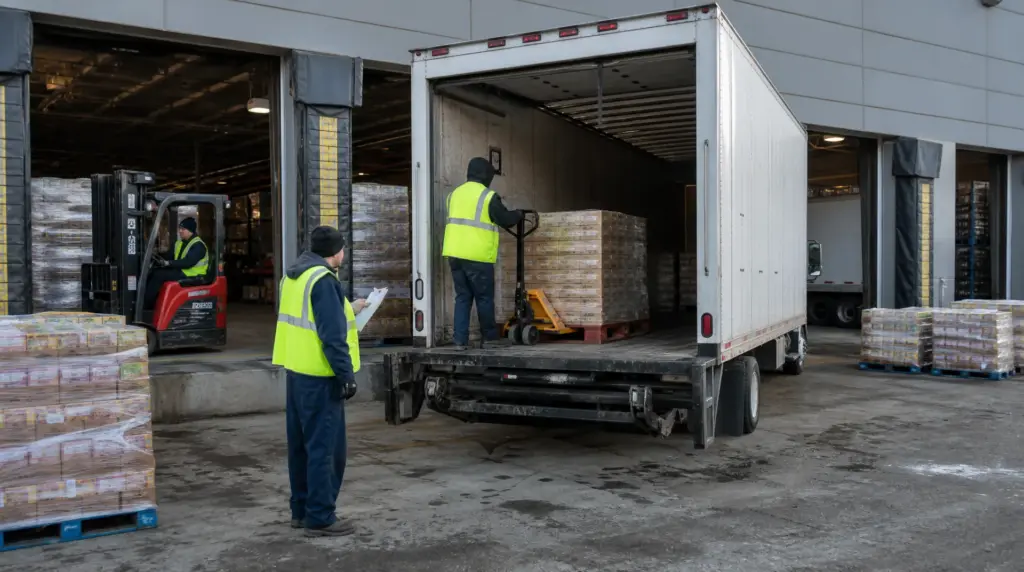
A lumper is a third-party crew the receiver hires to unload trailers. The receiver runs the warehouse. The receiver wants the dock cleared fast. So the receiver brings in labor and charges for it at the door.
Then you’re standing at that door with a receipt for work you didn’t order. The fee is the receiver’s labor cost. It rides through the broker and lands on you because you’re the one physically at the dock. That’s the only reason it touches your money at all.
Who Actually Pays a Lumper Fee
You front it. You don’t eat it. Those are two different things, and the gap between them is where drivers lose money.
The clean version works like this. The receiver charges the lumper. You pay it at the dock, usually by a code the broker issues. The broker reimburses you, because the cost belongs to the shipper or receiver, not the truck. Done right, the lumper is a wash on your settlement.
It stops being a wash the moment one step is skipped. No code issued before you unload. No receipt in hand. A broker who says it’s “built into the rate” when it isn’t. Each of those turns a pass-through cost into a number you absorbed.
Where the Money Quietly Leaks
The lumper rarely disappears in one big mistake. It leaks in small, repeatable habits that feel normal at the dock.
You pay cash to keep the line moving and walk off without proof. No receipt, no reimbursement. That’s revenue on the floor. You accept “it’s included” on a rate con that never spelled it out. You unload first and ask who pays after, when the leverage is already gone. Or the reimbursement gets promised, never chased, and quietly written off three settlements later.
One $200 lumper looks like nothing. Forty of them across a year is a week of net income you handed back without a fight.
What to Lock Down Before You Hit the Dock
Lumper money is won before the trailer doors open, not after. The order matters.
- Get it in writing on the rate con: who pays the lumper, and how you’re reimbursed.
- Get the lumper code or check authorization from the broker before you unload, not while you’re standing at the counter.
- Keep every receipt. Photograph it at the dock so it can’t go missing.
- Never pay cash with no paper. If cash is the only option, document it on the spot.
- Confirm the reimbursement terms and the timeline, then track it like any other invoice.
The Loads Where Lumpers Show Up Most
You can see most lumpers coming. They cluster at high-volume receiving docks where the warehouse never wants drivers touching freight.
| Where you’ll meet a lumper | Why it’s there | Who should carry the cost |
|---|---|---|
| Grocery distribution centers | High throughput, strict dock labor rules | Receiver, passed through the broker |
| Big-box and retail DCs | In-house or contracted unloading only | Receiver, passed through the broker |
| Food and beverage warehouses | Volume plus product-handling rules | Receiver, passed through the broker |
| Produce terminals | Fast turns, seasonal labor | Receiver, passed through the broker |
When the load is grocery or retail, assume a lumper and handle the authorization upfront. When it’s a live unload at a private dock, ask before you commit, not after delivery.
The Number You Should Actually Check
Pull your last twenty grocery and retail loads. Go line by line and find who carried the lumper on each one. If you can’t tell from your own records, that’s the answer right there.
Lumper reimbursement is exactly the kind of detail a desk handling your dispatching trucking services should be closing before the load is booked, so the charge never reaches your settlement in the first place.