Table of Content
- A Hotshot Truck Makes Money Moving, Not Waiting for the Next Hot Load
- Why Hotshot Gaps Cut Deeper
- The Habit That Keeps the Lane Empty
- Where Hotshot Operators Lose the Week
- Chasing the Hot Load vs Keeping the Lane Full
- What a Dispatcher Watches on a Hotshot
- Hotshot Dispatch Questions Operators Actually Ask
- The Number to Check This Week
Hotshot looks like the most flexible truck on the road. Smaller rig, lower overhead, go-anywhere reach. So it should be the easiest one to keep moving. It usually isn’t. The hotshot owner-operator who works hard and still comes up short isn’t losing on rate. He’s losing on the hours the truck sits between short runs, waiting for the next thing to chase.
A Hotshot Truck Makes Money Moving, Not Waiting for the Next Hot Load
The name sets the trap. “Hotshot” means urgent, so the instinct is to wait for the urgent load that pays big. So the truck sits, holding out for the hot one.
But the rig costs the same parked as it does rolling. A week built on three big rush loads with two empty days between them loses to a week of steady, planned runs. The urgent load feels like the win. The full calendar is the win.
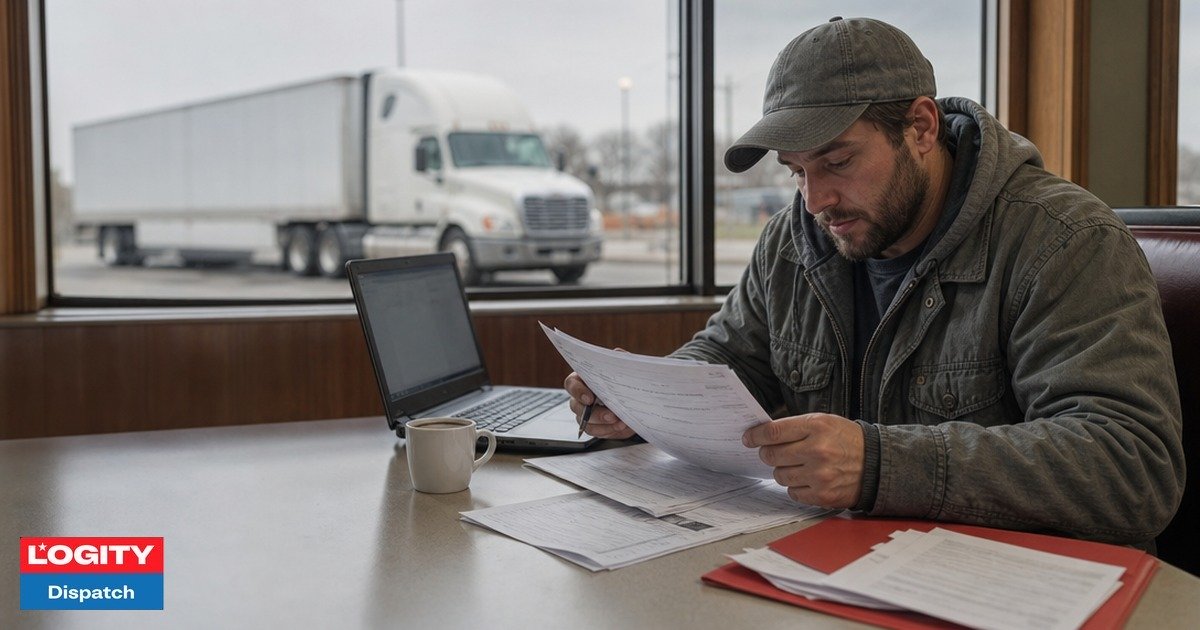
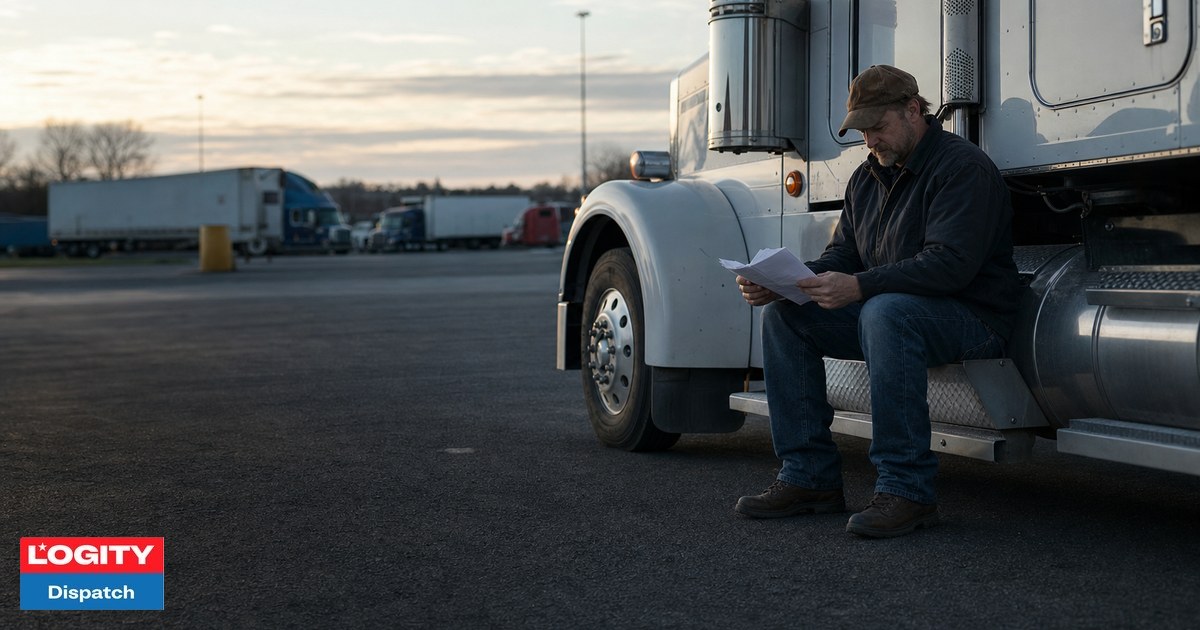
Picture a hotshot owner-operator who turns down two steady local runs on Tuesday, holding the truck for a high-paying expedite that’s “probably coming.” It doesn’t book until Thursday. Two days parked, two steady loads passed up, and the one big rush load didn’t cover the gap it cost to wait for it. The rate looked great. The empty days ate it.
Why Hotshot Gaps Cut Deeper
Hotshot runs short and turns fast. That means more loads per week, and more loads means more gaps to mismanage.
The margins are thinner than a full-size flatbed, so there’s less fat to absorb a dead day. A 200-mile run doesn’t carry a wasted afternoon the way a 1,200-mile haul does. On a hotshot, the gap between loads can cost more than the load itself paid. It’s the downtime cost the Owner-Operator Independent Drivers Association keeps putting in front of owner-operators: an idle truck still has payments running, and the parked hours come straight off the week.
The Habit That Keeps the Lane Empty
The mistake is treating every load as a one-off. Deliver, then look for the next one. Deliver, then look again.
That rhythm guarantees a gap after every run, because the search doesn’t start until the truck is already parked. The next load should be lined up before this one delivers, keyed to where the drop leaves you. Booking after you stop means taking whatever’s near a yard you didn’t plan to sit at.
Where Hotshot Operators Lose the Week
- Holding the truck for a rush load that may not come, while steady freight rolls past.
- Chasing a bright rate into a dead corner with no reload behind it.
- Booking the next run only after delivery, so every handoff opens a gap.
- Running short hauls with no lane plan, so the dead miles stack up unseen.
- Never counting the empty hours, so the gaps stay invisible on the settlement.
One empty afternoon is small. The same pattern across every week is a calendar full of holes you’re paying to keep open.
Chasing the Hot Load vs Keeping the Lane Full
| Chasing the hot load | Keeping the lane full | |
|---|---|---|
| Next load | Waited for after the truck parks | Booked before the current run delivers |
| Lanes | Wherever the rush load points | Where hotshot freight repeats |
| Empty time | A gap after most runs | Drop-to-pickup, minimal sit |
| The week | A few big loads, many dead hours | Steady runs, fewer holes |
The hot load feels like the bigger win because the number is bigger. The full lane wins the month because the truck never stops earning to wait for it.
What a Dispatcher Watches on a Hotshot
The whole job is keeping the lane full and the truck in position. That’s planning work, not load-board scrolling.
It means booking the reload before the current run delivers, so the truck moves from drop to pickup without a dead day. It means staying in lanes where hotshot freight repeats instead of chasing one-off rush loads into corners. It means weighing a steady run against the gamble of waiting for a hot one. That’s the difference between a hotshot that stays moving and one that works hard between long sits. The same planning runs under hotshot dispatch services, where the next load is in view before the last one drops.
For an owner-operator running a hotshot solo, lining up the next load before this one delivers is hard while you’re driving. It’s the real case for owner-operator dispatch: a desk keeping the lane full so the truck earns instead of waits.
Hotshot Dispatch Questions Operators Actually Ask
Should I hold out for the big rush load? Rarely. The rig costs the same parked, so two dead days waiting for one expedite usually loses to a week of steady runs. The full calendar beats the occasional hot number almost every time.
Why do hotshot gaps hurt more than on a big truck? Because the margins are thinner and the runs are shorter. A 200-mile load can’t absorb a wasted afternoon the way a 1,200-mile haul does, so on a hotshot the gap between loads can cost more than the load paid.
How do I line up the next load while I’m driving? You mostly can’t from the cab, which is why gaps open. That’s the case for a desk booking your reload before you deliver, the same thing full truck dispatch services handle, so the handoff doesn’t open a hole.
How do I know if I’m losing to gaps? Count the empty hours between delivery and your next pickup across the week and price them. If the gaps cost more than your worst load paid, the lane sitting empty is the real problem, not the rate.
The Number to Check This Week
Take your last ten hotshot runs and count the empty hours between delivery and the next pickup. Multiply that by what an hour of your truck is worth. If the gaps cost more than your worst-paying load, the problem was never the rate. It was the lane sitting empty between runs, and keeping it full is where the week comes back.