Table of Content
- A Tanker Doesn’t Reload Like a Dry Van. That’s the Whole Problem.
- Why Bulk Freight Punishes a Loose Schedule
- Where Tanker Operators Lose the Week
- Where the Tanker Turnaround Eats the Day
- What a Dispatcher Solves Before the Tank Is Loaded
- Tanker Dispatch Questions Operators Actually Ask
- The Number to Check on Your Last Ten Loads
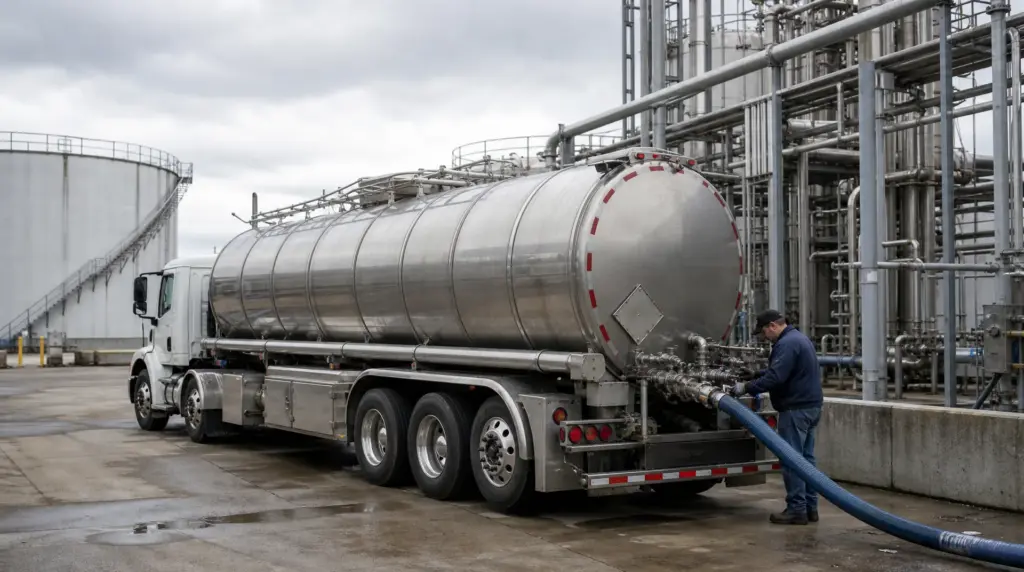
Tanker work pays well, so owner-operators assume the hard part is the driving. The surge, the higher CDL endorsement, the careful braking. All real, all learnable. But the operators who run thin in bulk aren’t losing on the road. They’re losing in the yard, between loads, where a tanker has to be washed, matched to the next product, and scheduled around a terminal that doesn’t care about your week. The haul is the easy part. The turnaround is where the money goes.
A Tanker Doesn’t Reload Like a Dry Van. That’s the Whole Problem.
A dry van drops one load and grabs the next. A tanker can’t. What you just hauled decides what you’re allowed to haul next, and whether you have to wash first.
Carry one product and the next shipper may demand a clean, certified tank before they load. That’s a wash-out, a bay, a wait, and a ticket. Skip the planning and you deliver a load only to find the nearest wash is two hours off your lane and the reload won’t take a dirty tank. The driving was fine. The sequence wasn’t.
Picture a strong-paying chemical load that delivers mid-afternoon. The owner-operator books it on the rate alone. But the next shipper wants a certified wash, the nearest bay is 90 minutes off-lane and booked until morning, and the reload window closes before the tank is clean. One good rate turned into a wash-out, a night parked, and a missed pickup. The haul paid. The turnaround gave it all back.
Why Bulk Freight Punishes a Loose Schedule
Bulk loads run on appointments and product rules. Terminals load and unload on their windows, and the clock keeps running while you wait for a bay.
Miss a loading window and you don’t just lose the slot. You push the wash, the next pickup, and the day behind it. A tanker week is a chain of compatible loads with washes timed between them. Break one link and the whole chain slacks, and the truck sits while the payment keeps running. It’s the same detention-and-downtime gap the Owner-Operator Independent Drivers Association keeps raising: the waiting is real cost, and unpriced it comes out of the owner-operator’s week.
Where Tanker Operators Lose the Week
- Reloads booked without checking product compatibility, forcing an unplanned wash.
- Wash-outs scheduled off-lane, adding dead miles to every turnaround.
- Detention at terminals that load slow, with no demurrage agreed up front.
- Lanes chosen for a single good rate, with no compatible product to reload.
- Wash certifications not confirmed ahead, so a clean tank still gets rejected.
None of those are driving mistakes. All of them are planning gaps that turn a strong rate into a slow week.
Where the Tanker Turnaround Eats the Day
| What eats the turnaround | Typical hit | How a plan avoids it |
|---|---|---|
| Wash-out | A bay, a wait, and a ticket per switch | Know the next product before booking |
| Off-lane wash | Dead miles on every turnaround | Put the wash on the lane, not off it |
| Terminal detention | Hours waiting for a bay | Agree demurrage terms up front |
| Empty reload | A long deadhead to the next tank | Stay where compatible bulk repeats |
None of these are fixed numbers, and they move with the product and the lane. The point is that each one is planning an owner-operator can price and prevent, not a cost of driving a tanker.
What a Dispatcher Solves Before the Tank Is Loaded
The whole job is chaining compatible loads with the washes timed in, so the truck moves product to product without sitting. That’s a planning desk, not a driver guessing at the next pickup.
It means knowing what the next shipper will accept before you book, so the wash is planned, not discovered. It means putting the wash on the lane, not two hours off it. It means staying where bulk freight repeats, so the reload is real instead of a long deadhead to the next tank. That planning is the difference between a tanker that earns its higher rate and one that spends it on dead turnarounds. The same logic runs under structured dispatching trucking services, where the next compatible load is solved before this one delivers.
For an owner-operator running a tanker solo, chaining washes and compatible products between loads is hard from the cab. It’s the real case for owner-operator dispatch: a desk sequencing the week so the tank moves product to product instead of sitting at a wash.
Tanker Dispatch Questions Operators Actually Ask
Why does a high tanker rate still lose money? Because the rate pays for the haul, not the turnaround. A wash-out, an off-lane bay, and terminal detention can eat more hours than the load paid for. The turnaround, not the rate, decides the tanker week.
Who pays for the wash-out between products? Usually it falls to the carrier, which is why planning the next compatible product matters. A tank chained load-to-load with washes timed in wastes far fewer bays than one booked on rate alone.
How do I sequence compatible loads while I’m driving? Load to load from the cab, most owner-operators can’t. That’s the case for a desk chaining products and washes ahead of you, the same thing full dispatching trucking services handle, so the tank keeps moving.
Should I push for demurrage at slow terminals? Yes, and agree it before you accept the load. Bulk terminals load on their own windows, so waiting is expected, not exceptional. Unpaid, that detention comes straight out of the rate.
The Number to Check on Your Last Ten Loads
Take your last ten bulk loads and add up the hours spent washing, waiting for a bay, and deadheading to the next compatible pickup. Multiply that by what an hour of your truck is worth. If the turnaround cost more than your worst load paid, the rate was never the problem. The schedule between loads was, and that’s the part a desk is meant to win back.